Top Benefits of Teeth Whitening for a Confident Smile
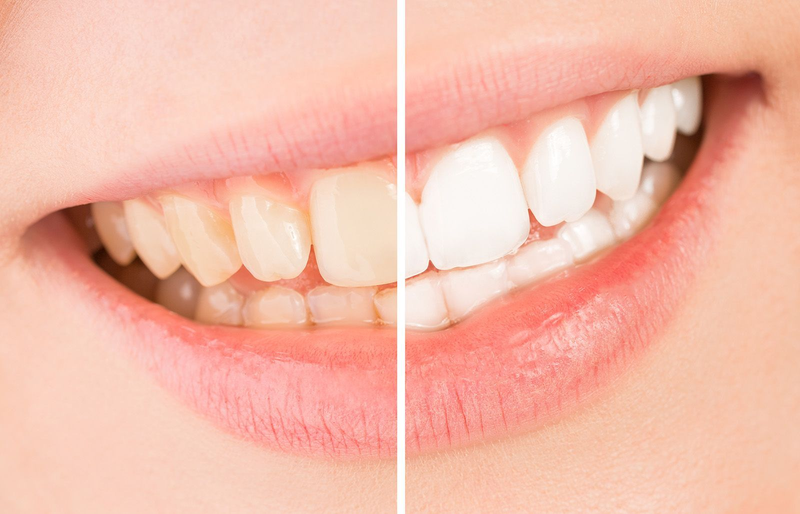
Teeth whitening has become one of the most sought-after dental treatments across India, and for good reason. Whether your teeth have yellowed from years of chai and coffee or simply lost their brightness over time, the idea of walking into a room with a noticeably cleaner smile holds genuine appeal. But beyond aesthetics, whitening treatments carry several practical benefits that many people overlook. This article walks you through exactly what the process involves, what a realistic timeline looks like, and how you can prepare before your first appointment - so you step in with clear expectations and walk out with genuine confidence.
Why Teeth Lose Their Whiteness Over Time
Before exploring what whitening can do, it helps to understand why discolouration happens in the first place. Teeth are porous by nature, meaning the enamel absorbs pigments from food, drink, and other sources gradually over years.
Common Causes of Surface Staining
Regular consumption of tea, coffee, turmeric-rich foods, and aerated drinks leaves behind chromogens - coloured compounds that bind to enamel. Tobacco, both smoked and chewed, is another significant contributor to deep yellowing that resists ordinary brushing.
Intrinsic vs Extrinsic Discolouration
Extrinsic stains sit on the outer surface and respond well to professional whitening. Intrinsic discolouration originates within the tooth itself, often caused by certain antibiotics taken during childhood, excessive fluoride, or trauma. A dentist will assess which type you have before recommending treatment, since intrinsic staining sometimes requires different interventions altogether.
The Core Benefits of Professional Teeth Whitening
While at-home whitening kits are widely available, professional treatments offer a measurably different experience. Here is what you can genuinely expect to gain.
Noticeable Improvement in Shade
Clinical whitening uses higher concentrations of hydrogen peroxide or carbamide peroxide, which penetrate enamel more effectively than consumer-grade strips. Most patients see a lift of four to eight shades in a single in-clinic session, depending on the nature and depth of staining.
A Boost in Day-to-Day Confidence
Research consistently shows that people who are comfortable with their smile tend to engage more freely in social and professional settings. Something as simple as feeling at ease when laughing at a meeting or during a family gathering carries real emotional weight - and whitening often contributes to that shift in self-perception.
Motivation to Maintain Better Oral Hygiene
An interesting and well-documented side effect of whitening is that patients tend to become more diligent about brushing, flossing, and dietary choices afterwards. When you have invested in your smile, you are naturally more inclined to protect it. This makes whitening a useful motivator for long-term oral health habits.
What the Process Actually Looks Like
If you are considering professional whitening for the first time, knowing the step-by-step process removes a great deal of uncertainty. The experience is far more straightforward than many people expect.
Initial Consultation and Shade Assessment
Your dentist begins with an oral examination to rule out cavities, gum disease, or sensitivity issues that might complicate the procedure. A shade guide is used to document your baseline colour so that results can be measured accurately after treatment.
The Whitening Session Itself
A protective barrier is applied to your gums before the whitening gel is carefully placed on tooth surfaces. Depending on the system used, a special light or laser may be directed at the teeth to activate the gel. The whole procedure typically takes between 60 and 90 minutes.
For those seeking long-lasting teeth whitening results, a professional in-clinic session combined with a take-home maintenance kit gives the most sustained outcome.
Post-Treatment Care
Immediately after whitening, your teeth are more porous and susceptible to restaining. Dentists typically advise a "white diet" for 24 to 48 hours - avoiding dark-coloured foods and beverages like red wine, beets, and coffee. Sensitivity is common for a day or two and usually resolves without any intervention.
Realistic Timeline: What to Expect Week by Week
Setting honest expectations is important. Whitening is not instantaneous for everyone, and the timeline can vary based on the severity of staining, the method chosen, and individual tooth chemistry.
In-clinic whitening typically delivers visible results on the same day. However, the final shade often stabilises over the following 48 to 72 hours as the teeth rehydrate. For moderate to heavy staining, a second session spaced two to four weeks apart may be recommended. Touch-up treatments at home using custom trays provided by your dentist are usually suggested every three to six months to maintain brightness. Patients who opt for affordable teeth whitening services from a qualified dental provider, rather than relying solely on over-the-counter products, tend to see more consistent and durable results across this timeline.
How to Prepare for Your First Whitening Appointment
A little preparation before your appointment can make a meaningful difference in comfort and outcome. Start by scheduling a professional dental cleaning at least one week before whitening - removing tartar and surface deposits allows the whitening agent to contact the enamel evenly. If you have known sensitivity, mention this to your dentist beforehand; they may recommend a desensitising toothpaste in the week leading up to the procedure. Avoid foods that stain heavily in the 24 hours before your session, and make sure any outstanding dental concerns - such as cracked fillings or untreated cavities - are addressed first, since whitening gel can aggravate open areas.
Networks like SmyleXL Leading Dental Clinic Network provide comprehensive assessments before beginning any whitening plan, which helps avoid complications and tailor the treatment to your specific needs.
Conclusion
Teeth whitening, when approached with realistic expectations and proper professional guidance, offers benefits that extend well beyond a brighter appearance. It can meaningfully improve how you feel about yourself, motivate better oral health habits, and fit into a broader dental care routine without being invasive or overly complicated. The process is well-structured, the timeline is manageable, and with the right preparation, most patients find it a smooth and rewarding experience. If you have been thinking about taking this step, now is a reasonable time to book an initial consultation with a qualified dental professional and understand what your specific situation calls for.
Frequently Asked Questions
How long do teeth whitening results typically last?
Results vary depending on lifestyle factors such as diet and tobacco use, but professional whitening generally lasts between six months and two years. Regular touch-up treatments and avoiding heavily pigmented foods and drinks help extend the brightness considerably.
Is teeth whitening safe for sensitive teeth?
Whitening can be performed on sensitive teeth, but it requires additional care. A dentist may use lower-concentration gels, shorter application times, or desensitising agents before and after treatment. Always disclose any history of sensitivity before proceeding.
Can whitening remove all types of tooth stains?
Professional whitening works well on extrinsic (surface) staining from food, drink, and tobacco. It is less effective on intrinsic discolouration caused by medication, trauma, or developmental factors. Your dentist can advise you on the most appropriate approach after examination.
What is the difference between in-clinic whitening and at-home kits?
In-clinic whitening uses stronger agents under controlled conditions, producing faster and more significant results. At-home kits use milder concentrations and take longer to show a difference. Dentist-prescribed home kits with custom trays sit between these two options in terms of strength and effectiveness.
At what age can someone consider teeth whitening?
Most dental professionals recommend waiting until the age of 18, when the enamel and dental pulp are fully developed. Whitening on younger patients is generally avoided unless there is a specific clinical reason, as the pulp chamber is larger in younger teeth and may be more sensitive to the treatment.
Source: Top Benefits of Teeth Whitening for a Confident Smile