Dental Implant: A Long-Lasting Solution to Missing Teeth
Losing a tooth can feel unsettling - not just for your appearance, but for your ability to chew, speak, and feel confident in everyday interactions. While dentures and bridges have served patients for decades, many people today are looking for something more permanent and closer to a natural tooth. Dental implants have emerged as one of the most reliable options available in modern dentistry. If you have been weighing your choices and feel ready to move forward, this article walks you through the entire process - what happens at each stage, how long it realistically takes, and how you can prepare yourself for a smooth experience.
Understanding What a Dental Implant Actually Is
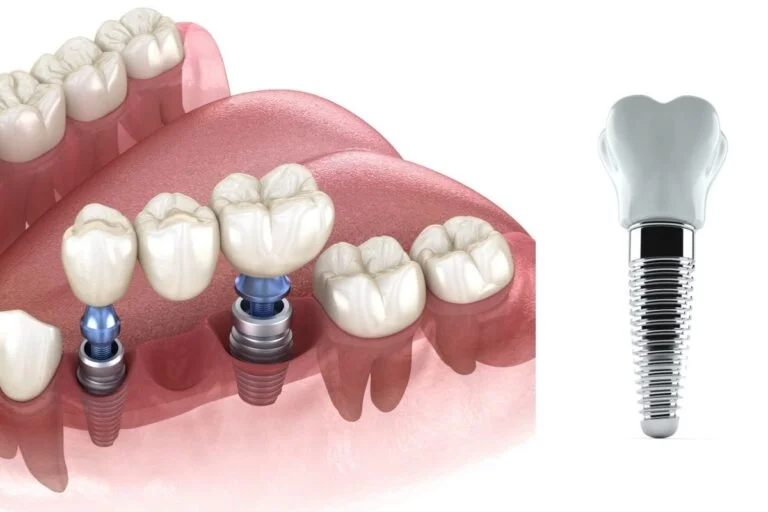
Before stepping into a clinic, it helps to understand what you are agreeing to. A dental implant is a small titanium post that a dentist surgically places into your jawbone. Over time, this post fuses with the bone through a natural process called osseointegration. Once stable, it supports a crown - the visible part that looks and functions like a real tooth.
Why Titanium?
Titanium is biocompatible, meaning the human body does not reject it. It bonds with bone tissue reliably and has been used in orthopaedic and dental procedures for several decades.
This material choice is a big reason why
permanent tooth replacement implants have such high long-term success rates when placed correctly and cared for properly.
Who Is a Good Candidate?
Most healthy adults with adequate jawbone density are suitable candidates. Your dentist will assess bone volume, gum health, and any underlying conditions such as diabetes or smoking habits, which can affect healing. A thorough consultation is not just a formality - it genuinely determines whether implants are the right path for you at this point in time.
The Consultation and Planning Stage
The process begins long before any procedure takes place. Your first appointment will typically involve X-rays or a 3D CBCT scan to evaluate bone structure, a review of your medical and dental history, and a discussion about your goals. This stage usually takes one to two appointments spread over a week or two.
Your dentist will use this information to create a treatment plan specific to you. If bone grafting is required due to insufficient bone volume, this will be planned and sequenced in advance. The planning phase matters enormously - it determines the exact positioning of the implant for both function and aesthetics.
Step-by-Step: What Happens During Treatment
Step 1 - Bone Grafting (If Required)
Not everyone needs this, but if your jawbone has thinned due to prolonged tooth loss, a bone graft may be necessary before implant placement. Grafting adds bone material to the area and requires a healing period of three to six months before the next step. This is one of the main reasons timelines vary between patients.
Step 2 - Implant Placement
This is a minor surgical procedure done under local anaesthesia. The dentist makes a small incision in the gum, drills a precise channel into the bone, and places the titanium post. The gum is then stitched closed. Most patients report minimal discomfort during the procedure itself, and post-operative soreness is usually manageable with prescribed medication and ice application.
Step 3 - Osseointegration (Healing Period)
This is the waiting stage. Over the next three to six months, the implant fuses with the jawbone. You will have periodic check-ups during this time. It is a passive but critical phase - the implant is building the foundation that will support your new tooth for years to come. Patients who smoke or have poorly controlled blood sugar may experience slower healing during this period.
Step 4 - Abutment Placement and Crown Fitting
Once osseointegration is confirmed, a small connector piece called an abutment is attached to the implant. Impressions or digital scans are taken to fabricate your custom crown. The final crown is then fitted and adjusted for bite alignment. At this point, your single tooth dental implants treatment is effectively complete.
Realistic Timeline: What to Expect Overall
A straightforward implant case without bone grafting typically takes four to eight months from first consultation to final crown. Cases requiring grafting can extend to twelve to eighteen months. While this may feel like a long commitment, the majority of that time is passive healing - you are not in the chair every week. Most people continue their normal routines throughout the process with very few interruptions.
It is worth setting realistic expectations early. Rushing the process by skipping healing time increases the risk of implant failure, which is far more costly and complicated to correct than simply waiting out the timeline properly.
How to Prepare for a Successful Implant Experience
Preparation is not complicated, but it does make a meaningful difference in outcomes. Here are a few practical things to do before and during treatment.
Maintain excellent oral hygiene leading up to treatment. Gum disease or untreated decay near the implant site can compromise results. If you smoke, reducing or stopping before surgery significantly improves healing outcomes. Follow your dentist's pre-operative instructions regarding food, medications, and rest. After placement, eat soft foods for the first week or two and avoid putting direct pressure on the implant site.
Choosing the right clinic matters as much as your own preparation. Look for a facility that uses current technology, takes proper diagnostic scans, and gives you time to ask questions.
At SmyleXL Modern Dental Clinic, the focus is on thorough planning and patient education at every stage of the treatment journey.
Conclusion
Dental implants are not a quick fix, but they are a thoughtful, well-researched investment in your long-term oral health. When done correctly and maintained well, they can function for decades - often a lifetime. Understanding the process before you begin removes the anxiety of the unknown and allows you to participate actively in your own care. If you have been holding off on addressing a missing tooth, now is a good time to schedule a consultation and get a clear picture of what your specific timeline and requirements would look like. The process is very much manageable when you go in prepared.
Frequently Asked Questions
How painful is the dental implant procedure?
The placement surgery is performed under local anaesthesia, so you should not feel pain during the procedure. Mild soreness, swelling, and discomfort for a few days afterward are normal and are generally managed well with over-the-counter or prescribed pain relief.
Can I get an implant immediately after tooth extraction?
In some cases, yes - this is called immediate implant placement. However, it is not suitable for everyone. Your dentist will assess factors like bone condition, infection risk, and the reason for extraction before recommending this approach.
How long do dental implants last?
With proper oral hygiene and regular dental check-ups, implants can last fifteen to twenty-five years or more. The crown on top may need replacement after ten to fifteen years due to normal wear, but the implant post itself often remains functional indefinitely.
Is bone grafting always necessary before an implant?
No. Bone grafting is only required when there is insufficient bone volume at the implant site. This is more common when a tooth has been missing for a long time. Your dentist will determine this through diagnostic imaging during your initial consultation.
What should I avoid eating after implant surgery?
For the first one to two weeks, avoid hard, crunchy, or chewy foods that could put pressure on the surgical site. Stick to soft options like yoghurt, mashed foods, soups, and cooked vegetables. Your dentist will give you specific dietary guidance based on your individual case.
Source: Dental Implant: A Long-Lasting Solution to Missing Teeth